
As temperatures drop, one of the most costly winter emergencies homeowners face is frozen and burst pipes. Understanding how to prevent this problem—and knowing what to do if disaster strikes—can save you thousands of dollars and spare you from significant water damage.
Why Prevention Matters
When water freezes inside your pipes, it expands with tremendous force, creating pressure that can crack even metal and plastic pipes. A single burst pipe can release hundreds of gallons of water per hour, leading to flooding, structural damage, ruined belongings, and mold growth.
The average insurance claim for frozen pipe damage exceeds $10,000, making prevention well worth the effort.
How to Prevent Frozen Pipes
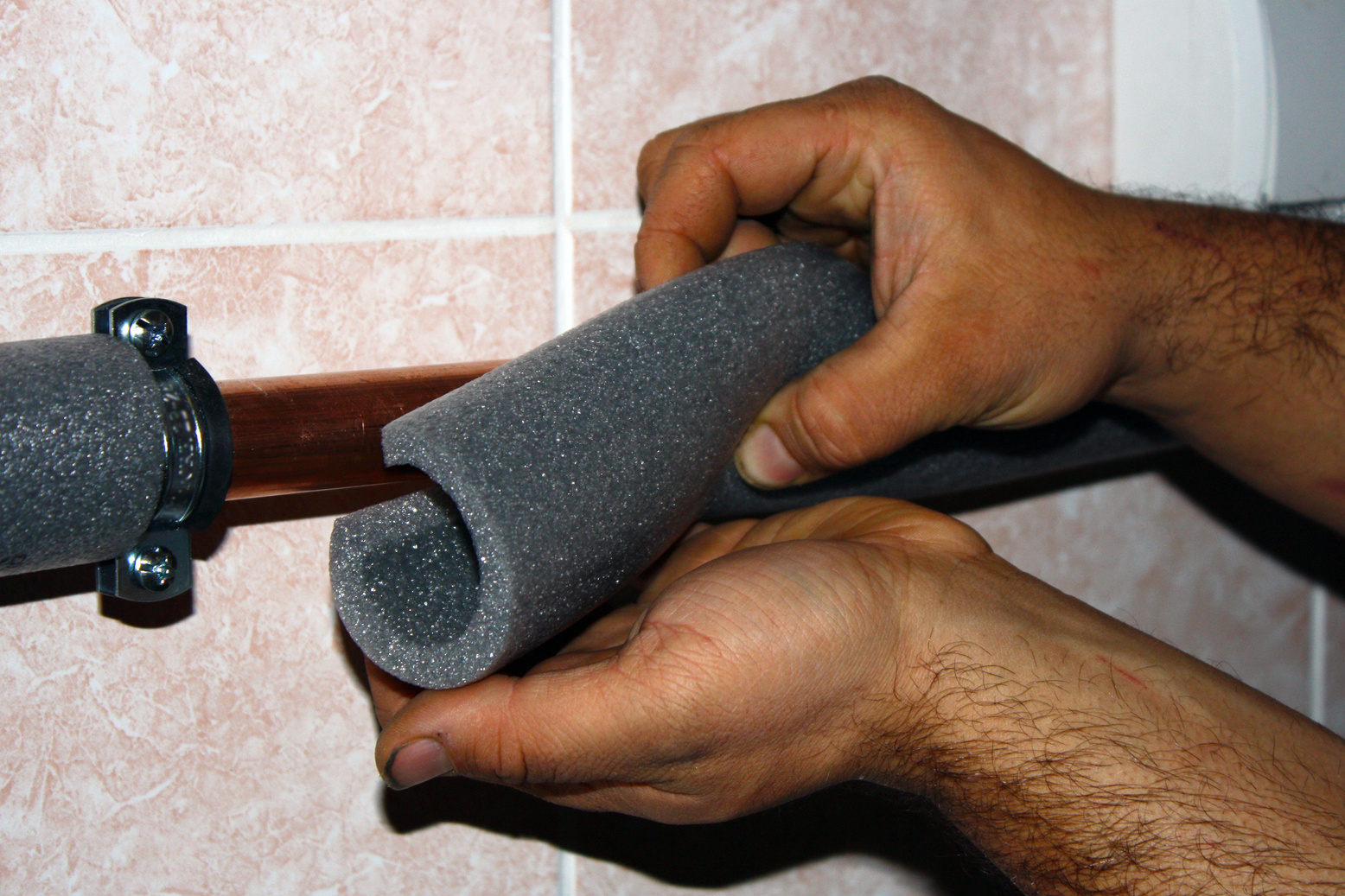
Insulate vulnerable pipes. Wrap exposed pipes in unheated areas like basements, crawl spaces, attics, and garages with foam pipe insulation or heat tape. Pay special attention to pipes along exterior walls.
Seal air leaks. Use caulk or spray foam to close gaps around pipes where they enter your home, as cold air infiltration is a major culprit in pipe freezing.
Keep the heat on. Never let your thermostat drop below 55°F, even when you’re away. The cost of heating is far less than repairing burst pipes.
Open cabinet doors. During extreme cold, open cabinets under sinks to allow warm air to circulate around pipes.
Let faucets drip. When temperatures plunge below freezing, allow faucets connected to vulnerable pipes to drip slightly. Moving water is much harder to freeze.
Disconnect outdoor hoses. Drain and disconnect garden hoses, and shut off water to outdoor spigots from inside your home if possible.
What to Do If Pipes Burst
If you discover a burst pipe, act quickly to minimize damage:
Shut off the main water supply immediately. Every second counts when water is flooding your home.
Turn off electricity to affected areas if water is near outlets, appliances, or your electrical panel.
Open faucets to relieve pressure and drain remaining water from the system.
Document the damage with photos and videos for insurance purposes.
Call a plumber for emergency repairs. Don’t attempt to fix burst pipes yourself unless you have proper experience.
Remove standing water and begin drying affected areas as soon as it’s safe to prevent mold growth.
Contact your insurance company to file a claim promptly.
Bottom Line
A little preparation goes a long way in protecting your home from frozen pipes. Invest in insulation, stay vigilant during cold snaps, and know where your main water shutoff valve is located. Your proactive efforts this winter could save you from a very expensive and stressful disaster when temperatures drop.