
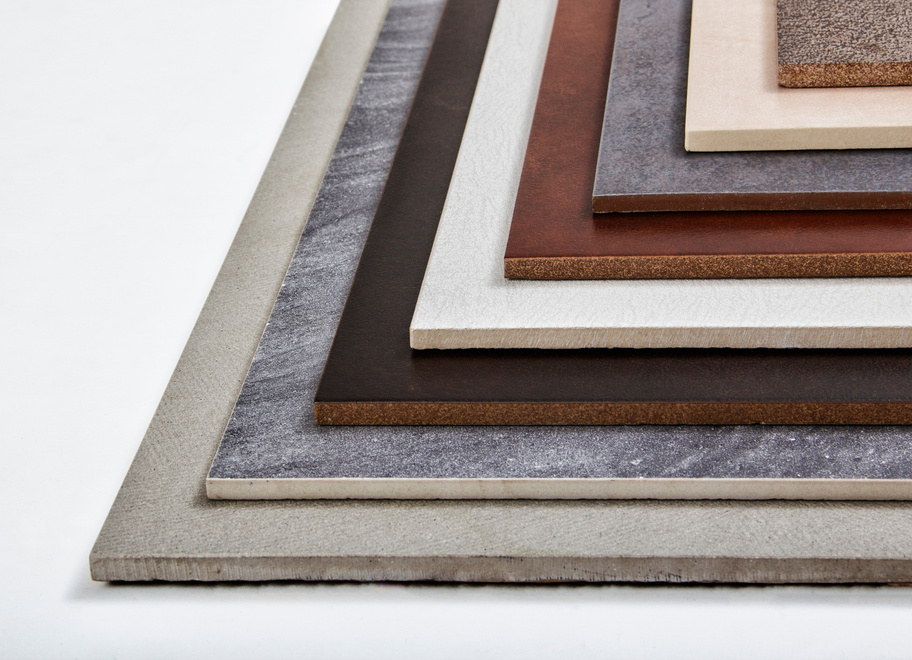
Choosing flooring is one of those decisions that quietly shapes how a room feels for years to come. Among the most popular options are ceramic, porcelain, and natural stone tiles — three materials that look similar at a glance but behave very differently underfoot, in your budget, and over the long haul. Here’s a breakdown of what sets them apart and where each one shines.
Ceramic Tile
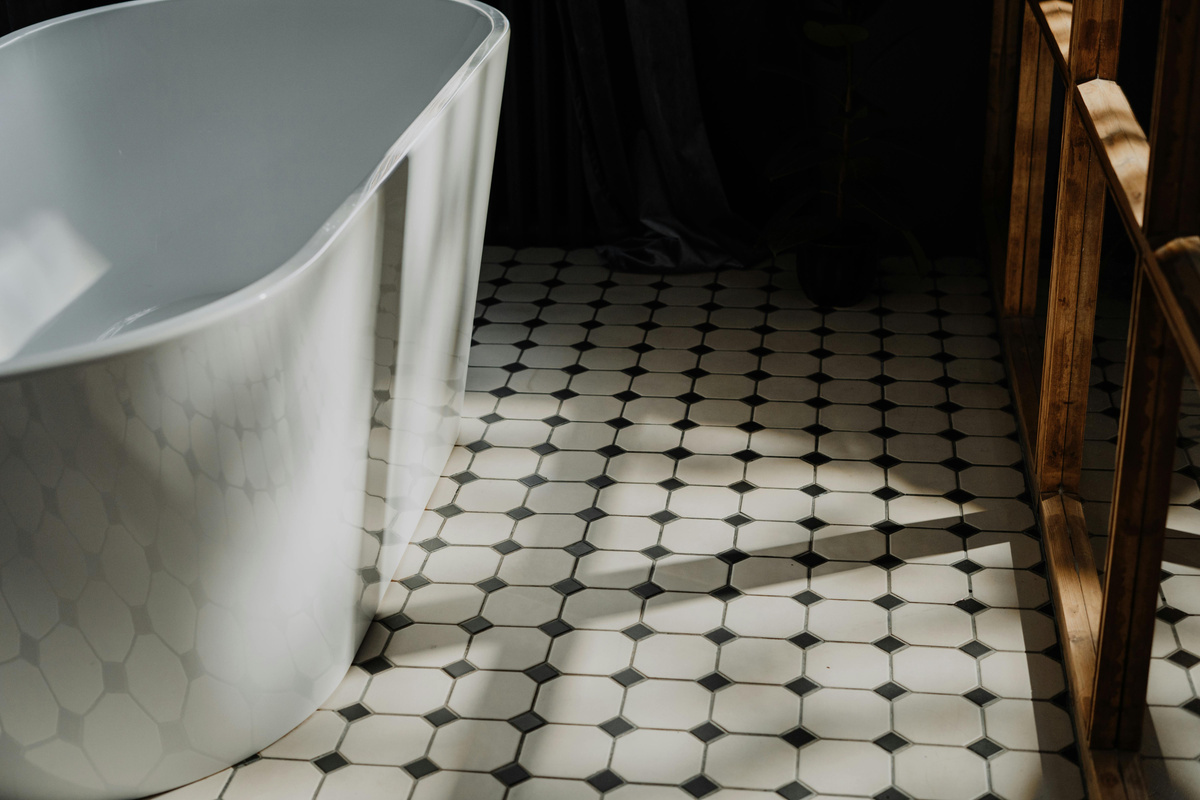
Ceramic tile is made from a blend of clays and minerals that are shaped and then fired in a kiln at high temperatures. Most ceramic tiles are finished with a printed or painted glaze, which is what gives them their color, pattern, and shine.
Advantages:
- Budget-friendly — Ceramic is typically the most affordable of the three, making it a great choice for large areas or cost-conscious renovations.
- Wide design variety — Because the glaze is applied on top, manufacturers can print an enormous range of colors, patterns, and even faux wood or stone looks.
- Easy to cut and install — Ceramic is softer than porcelain, so it’s easier for installers to cut, which can reduce labor time and cost.
- Lightweight — Easier to transport and install, especially on upper floors.
- Great for low-moisture, low-traffic areas — Works beautifully in bathrooms, powder rooms, and kitchen backsplashes.
Best suited for: Walls, backsplashes, and low-to-moderate traffic floors like bathrooms or laundry rooms.
Porcelain Tile
Porcelain is technically a subtype of ceramic, but it’s made from more refined, denser clay and fired at higher temperatures for longer periods. This process makes porcelain significantly harder, less porous, and more durable.
Advantages:
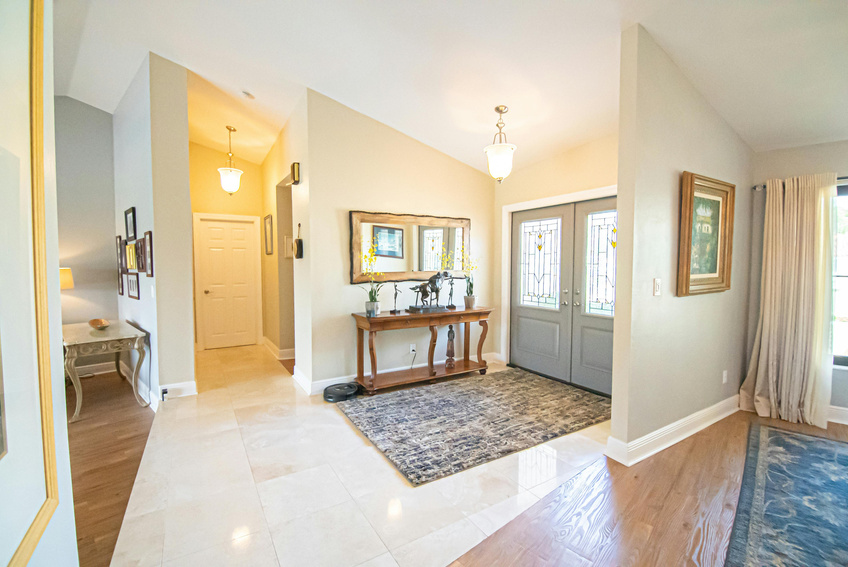
- Highly durable — Porcelain resists chipping, scratching, and cracking better than standard ceramic, making it ideal for high-traffic areas.
- Low water absorption — Its density means it absorbs less than 0.5% water, making it highly resistant to moisture damage — perfect for bathrooms, kitchens, and even outdoor spaces.
- Through-body color options — Some porcelain tiles have color that runs throughout the tile, so minor chips are far less noticeable.
- Suitable for outdoor use — Frost-resistant varieties can handle patios, pool decks, and other exterior applications.
- Long-lasting value — While pricier upfront than ceramic, its durability often means fewer replacements over time.
Best suited for: High-traffic floors, kitchens, bathrooms, entryways, and outdoor patios.
Natural Stone Tile
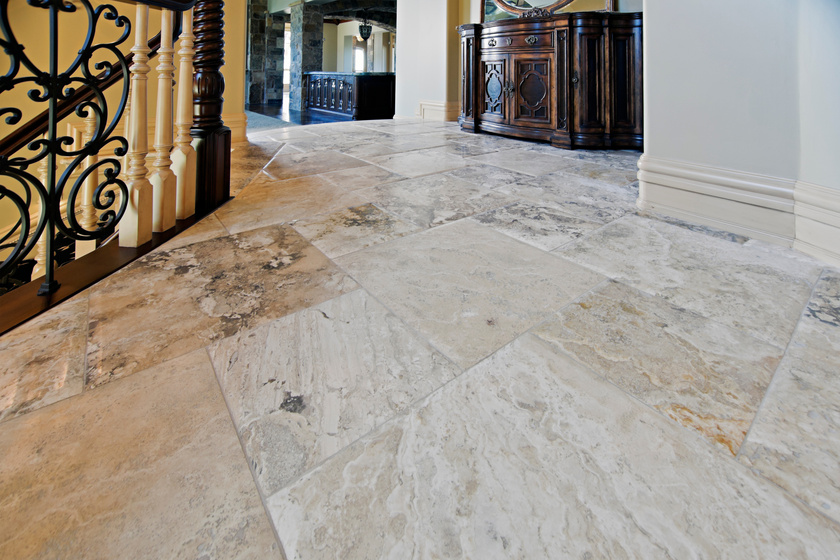
Stone tile — including granite, marble, slate, travertine, and limestone — is quarried directly from the earth and cut into tiles. Unlike ceramic and porcelain, no two stone tiles are exactly alike.
Advantages:
- Unmatched natural beauty — Each tile has unique veining, texture, and color variation that manufactured tiles can’t fully replicate.
- Adds real estate value — Natural stone is often seen as a premium, luxury material that can boost a home’s resale appeal.
- Cool underfoot — Great for warmer climates, as stone naturally stays cooler than other flooring materials.
- Long lifespan when maintained — With proper sealing and care, stone floors can last for generations.
- Timeless aesthetic — Stone doesn’t follow trends the way printed tile designs sometimes do, so it tends to age gracefully.
Best suited for: Formal living areas, entryways, and spaces where a luxurious, one-of-a-kind look is the priority.
A few trade-offs to note: Natural stone is typically the most expensive option, requires regular sealing to prevent staining, and can be more porous than porcelain — meaning it needs a bit more upkeep over time.
Quick Comparison
Feature | Ceramic | Porcelain | Natural Stone |
|---|---|---|---|
Cost | $ | $$ | $$$ |
Durability | Moderate | High | High (with care) |
Water Resistance | Moderate | Excellent | Varies (needs sealing) |
Maintenance | Low | Low | Moderate to High |
Best For | Walls, light traffic | High traffic, wet areas | Luxury, statement spaces |
Final Thoughts
There’s no single “best” tile — it depends on your space, your budget, and how much maintenance you’re willing to take on. If you want an affordable, design-flexible option, ceramic is a safe bet. If durability and moisture resistance are top priorities, porcelain is hard to beat. And if you’re after one-of-a-kind natural beauty and don’t mind a little extra care, stone brings a timeless elegance that manufactured tiles simply can’t replicate.
Whichever you choose, matching the material to the room’s function will ensure your floors look great and hold up for years to come.